Recent Articles
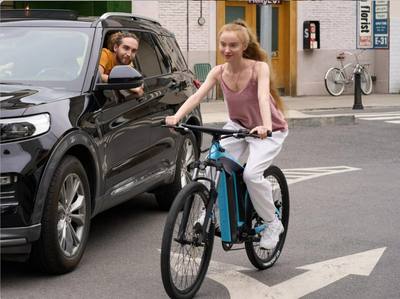
Beyond battery care, focus on the mechanical parts. Clean and lubricate the chain regularly (more often in wet or dusty conditions). Check tire pressure and inspect for wear—e-bike weight and speed accelerate it. Brake pads wear faster; inspect monthly and replace before they’re thin. Torque critical bolts (especially motor mounts and racks) periodically. Have a qualified shop service the bike every 6–12 months or after heavy mileage. Store indoors when possible. Keep software/firmware updated if your system supports it. These steps prevent most roadside issues and preserve range and safety. What’s the maintenance task you do most often, or the…
Read more
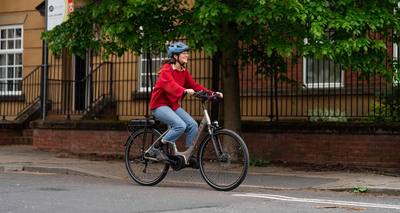
Replacing car trips with e-bike rides cuts tailpipe emissions and traffic congestion for short-to-medium distances. Electricity use is modest compared with gasoline. Over a year, the carbon savings add up for regular commuters. Practical wins include lower operating costs, easier parking, and often faster door-to-door times in dense areas. Batteries require responsible end-of-life handling, but modern designs last years. Combined with better infrastructure, e-bikes expand low-impact transport options without demanding peak fitness. They’re not zero-impact, yet they shift many everyday miles away from single-occupancy vehicles. Have you replaced any car trips with an e-bike, and what difference did it make?
Read more
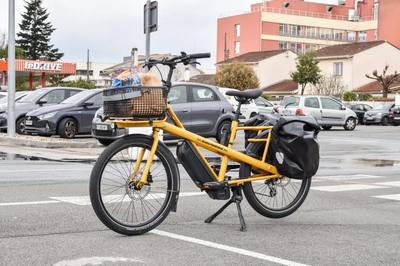
Federal law sets a baseline for low-speed e-bikes, but states and cities decide where Class 1–3 bikes can go. Class 1 usually has the broadest access to multi-use paths; Class 3 is often restricted to roads. Helmet rules, minimum ages, and speed limits on paths vary. Some places require registration for certain classes or ban uncertified batteries after fire incidents. Parks and trails may post separate rules. Before buying or riding a new route, check official city/state sites or local bike advocacy groups. Rules change, so verify current guidance. Compliant, certified bikes reduce legal and safety friction. What’s the strictest…
Read more
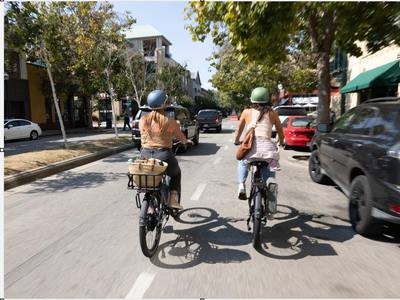
Yes. Studies show e-bike riders often get a large share of the cardiovascular benefit of conventional cycling while covering greater distances more consistently. You still pedal and elevate heart rate; the motor reduces effort on hills or against wind rather than replacing it entirely. Many people ride farther and more often because it’s less punishing. Lower assist settings increase workout intensity. Combined with regular riding, this supports fitness goals without the all-or-nothing barrier of a traditional bike. Track distance or effort if motivation helps. It’s particularly useful for those returning to activity or managing joint issues. How has (or would)…
Read more
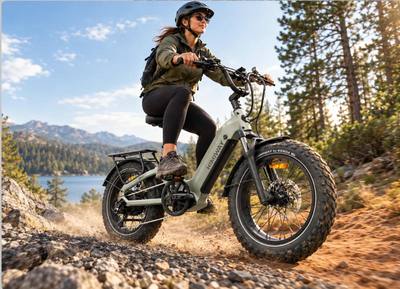
Wide, low-pressure tires (often 4+ inches) excel on sand, gravel, snow, or rough trails where standard bikes struggle. They add flotation and confidence, making all-terrain or beach rides more accessible. Pair them with a sturdy frame, good suspension, and sufficient battery (heavier tires and soft surfaces increase power use). Expect shorter range than a narrow-tire commuter on pavement. They’re popular for mixed urban-to-trail use or winter riding. Drawbacks include weight and rolling resistance on hard surfaces. Choose puncture-resistant casings and keep pressure adjusted for conditions. Many riders find them more forgiving for beginners on imperfect surfaces. Have you ridden a…
Read more
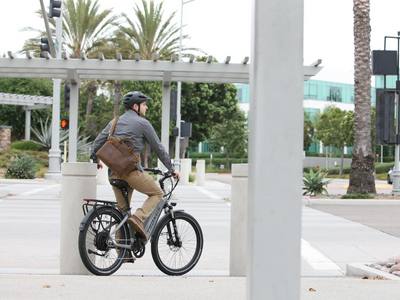
Start with intended use: short urban errands favor lightweight city models with racks and fenders; longer or hilly routes benefit from mid-drive motors (better power through gears) and larger batteries (500+ Wh). Cargo needs suggest reinforced frames and higher payload ratings. Test fit—reach, seat height, and handlebar comfort matter for longer rides. Prioritize hydraulic disc brakes and reliable components over pure wattage. Budget for accessories (lights, locks, rack) and future battery replacement. Confirm local shop support and UL certification. Range claims are optimistic; add a buffer for wind, hills, and cold. Ride several models if possible—feel matters more than specs…
Read more
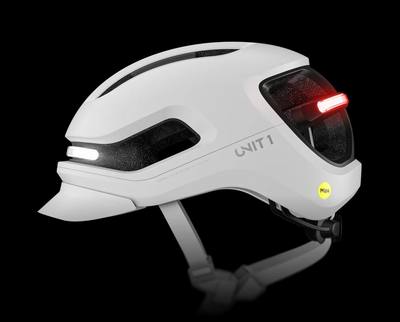
Higher speeds and weight mean brakes, tires, and visibility matter more than on a regular bike. Wear a helmet (MIPS models help with rotational impacts); many places require them for Class 3 or younger riders. Add front and rear lights, a mirror, and bright clothing—especially at dusk. Ride predictably: signal, yield, and match speed to the path or traffic. Start in lower assist to learn handling; e-bikes accelerate quickly. Inspect tires, brakes, and chain regularly—extra weight accelerates wear. On shared paths, slow for walkers and conventional cyclists. Know your local speed limits (some cities cap e-bikes lower than the class…
Read more
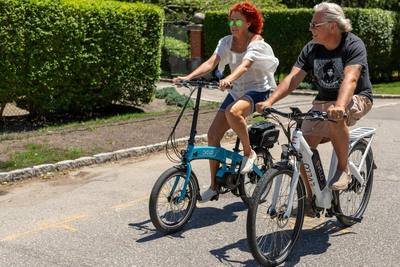
In the U.S., most states use a three-class system. Class 1 is pedal-assist only, cutting off at 20 mph—widely allowed on bike paths and trails. Class 2 adds a throttle (still 20 mph max) for easy starts or rests, but some areas restrict it. Class 3 is pedal-assist up to 28 mph, often limited to roads or specific paths and sometimes requiring helmets or minimum age (commonly 16+). Federal baseline treats qualifying low-speed e-bikes (under 750 W motor, operable pedals) as bicycles rather than motor vehicles. Always check state and local rules before buying or riding, as access, helmet laws,…
Read more
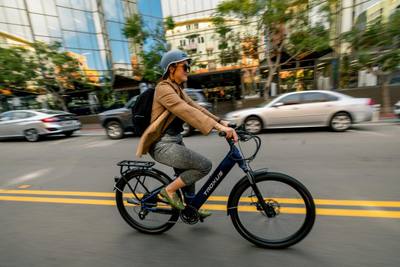
E-bikes make longer or hillier routes practical without arriving exhausted. A typical 400–500 Wh battery supports 30–50+ miles depending on assist level, terrain, and rider weight, covering most urban or suburban round trips on one charge. Riders still pedal, so they gain cardiovascular benefits similar to conventional cycling while covering more distance consistently—even in wind or light rain. Costs stay low after purchase: electricity is pennies per mile versus gas, parking, or transit fares. Many arrive at work more alert than after sitting in traffic. Challenges include weather exposure and the need for secure storage or charging access at destinations.…
Read more
Life has a funny way of filling up with obligations. Before you know it, weeks have flown by in a blur of carpools, emails, and laundry folding. That’s why carving out intentional "fun time" isn't a luxury— it’s essential maintenance for the soul. For us, fun doesn't have to be a grand vacation. Sometimes it looks like: An impromptu living room dance party to a song everyone secretly loves. A weekend walk where every dog sniff is treated as a mandatory sightseeing stop. A baking experiment that results in cookies that look slightly radioactive, but taste amazing anyway. It’s about…
Read more
Let’s be honest: our pets are not just animals living in our homes. They are the unofficial managers of household morale. Need a reality check after a long Tuesday? Your dog is waiting by the door with a stuffed toy, ready to remind you that fetch is the only emergency that matters. Trying to work from home? Your cat has carefully calculated that the exact center of your keyboard is the warmest, most logical place for a nap. Pets teach us a masterclass in living in the present. They don't care about tomorrows schedule or yesterdays mistakes. They just want…
Read more
Let’s talk about a romance that doesn’t get nearly enough airtime: the deep, abiding love affair between a girl and her veggies. Specifically, onions. Now, before you picturing yourself crying over a cutting board or worrying about post-dinner breath on a Friday night, hear me out. Not all onions are aggressive, tear-inducing bullies. Enter the shy onion —the sweet, mild, gentle varieties (like Vidalias, tender green onions, or lightly caramelized shallots) that add all the flavor with none of the drama. If you haven’t let a shy onion into your kitchen rotation yet, here is why they deserve permanent best-friend…
Read more
If you walk into my apartment on any given Saturday afternoon, you aren't walking into a quiet sanctuary of calm. You are walking into an ecosystem. There’s usually a pot of something bubbling on the stove, puppy toys scattered about, and at least one animal staring at me as if they haven't eaten in three consecutive centuries. And honestly? I wouldn't have it any other way. We live in a world that constantly tells us to streamline, organize, and check off our lists. But the real magic usually lives right in the messy middle—the places where family, pets, and spontaneous…
Read more
